

























































Fresh from Kenya, my brother arrives on my doorstep, burning with fever and shaking from chills. Malaria, of all things. That wasn’t part of his itinerary. The cherry on top? He’s brought along a lovely bout of bronchitis – you know, the kind that paints a symphony of coughs, brings terrible throat pain, stops one from swallowing, and results in coughing up disgusting, thick snot. Not forgetting the bonus tracks: delirious fever-talk during his sleep.
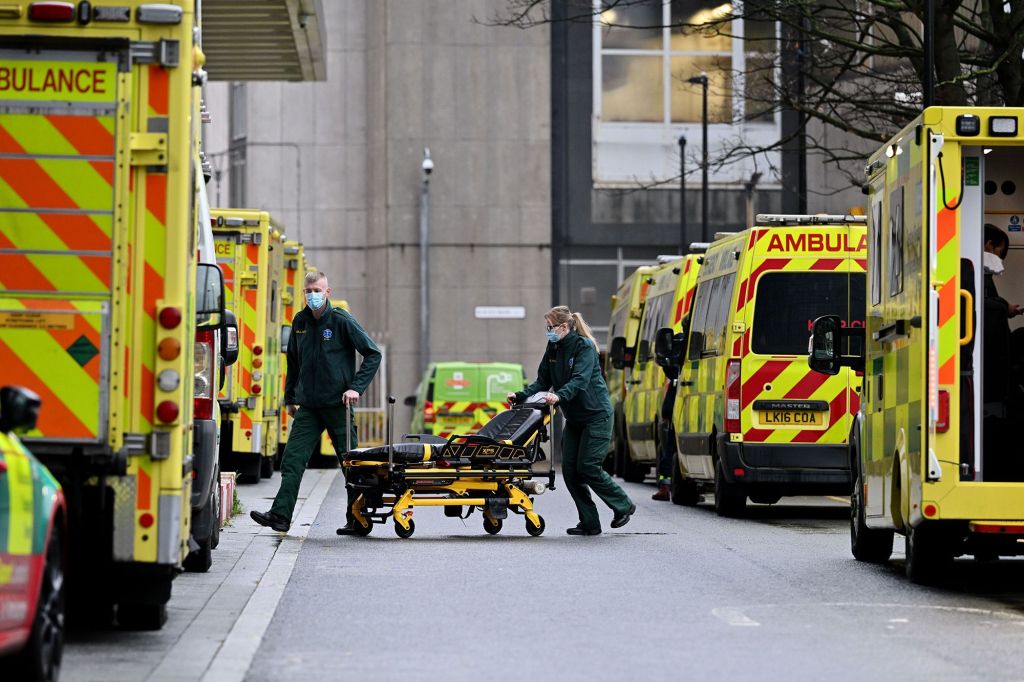
You hear on the news that the NHS is struggling, but you don’t truly understand the gravity until you’ve had to interact with it first-hand. We head to the back of my flat where the A&E used to be, but of course, it’s been closed down. Now we have to journey 2 km to the next one. At 5 pm, we decide to take a taxi. The things we do for family.
We are welcomed by a polite receptionist at the hospital. She hands over a wrist tag, marking my brother as the newest member of the “ill and anxious” club. “Please take a seat,” she says. Innocent words at that moment, soon to transform into a grim mantra.
Just above the receptionist’s desk, there’s an analytics dashboard. It reads: “5 hrs and 46 mins average waiting time to see a clinician.” The digital numbers taunt us with their cold, emotionless glow.
We find ourselves sinking into the abyss of the waiting area. I can almost hear the chorus of germs happily humming around us. It’s a symphony of illness, featuring a variety of soloists: the man with the hacking cough, the woman with the deathly pale face, the kid with the suspiciously loud wailing.
6 pm. An hour later, we get called in for a temperature check and a dose of ibuprofen. They send us back to our seats. The digital dashboard now reads: “130 people in the department.”
7 pm. Still sitting. Still waiting.
8 pm. The mantra continues: sitting, waiting.
By 9 pm, I notice that others are joining our symphony of sick and tired souls. Each one receives the ceremonial wrist band, the ‘baptism’ into our newfound fraternity, followed by the grim refrain, “Please take a seat.”
Here’s where it becomes clear we’re in purgatory. The ones receiving quick attention include a bloke who’s lost two fingers, another with a crushed finger that’s slowly turning the color of a ripe eggplant, a third guy who’s mysteriously shitting blood, and a fourth with a gaping gash on his bicep. Even the police officers escorting vehicle accident victims join the long queue of the tormented.
10 pm. I ask what on earth is going on. The receptionist says something about prioritizing.
11 pm. They call us in for a blood test. Progress, I think.
Midnight. Back in purgatory. Sitting and waiting. I ask what’s going on. The receptionist says something about waiting for test results.
1 am. We finally see the doctor. He says something about blood results, writes a prescription.
1:30 am. X-ray time. More medicine. A ‘Goodbye’ that sounds more like a solemn ‘Farewell’.
2 am. Home at last.
In conclusion, the next time you find yourself in need of the A&E, just prepare yourself. Write your will, say your prayers, and make peace with the possibility of an afterlife. Because one thing’s for sure: You’re about to spend
an eternity in the waiting room.
Experiencing the struggle of the NHS first-hand brings a whole new understanding to the news reports. The reality is grimmer than any second-hand accounts can portray. And it’s a chilling reminder that the healthcare crisis isn’t something abstract or far-off. It’s here, and it’s real.
Has anyone else witnessed an analytics dashboard like this in a hospital before? What were your initial reactions?
***
Liked this post? Do share it on your social media wall, timeline or feed
Want blog updates and promotions in your inbox? Sign up for our newsletter!
Sign Up Now
